







Condensation, dampness and mould are usually symptoms of trapped moisture + weak extraction. This setup removes moisture from the air and dries the fabric of the home.
The home had double glazing and an insulated roof. It felt warm but consistently humid — the air felt “heavy”.
As a second adult began living in the property full-time, mould appeared in corners and inside wardrobes.
There was no effective extraction of cooking vapour to outside, clothes were frequently dried indoors, and bathroom extraction was limited due to duct route constraints.
Moisture migrates upward. In two-storey homes, convection helps lift moisture to upper levels where it can be treated more easily.
In single-storey homes, you often need a larger unit and smart air movement to pull damp air off outer walls and dry it effectively.
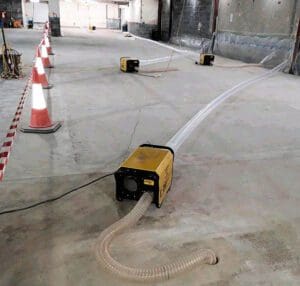
To keep the dehumidifier out of sight, duct damp air in and duct dry air back out.
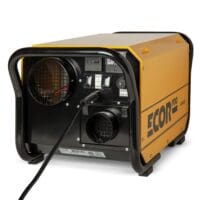
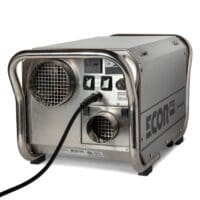
That means you need a unit with inlet/outlet flanges and fan performance suitable for ducting.
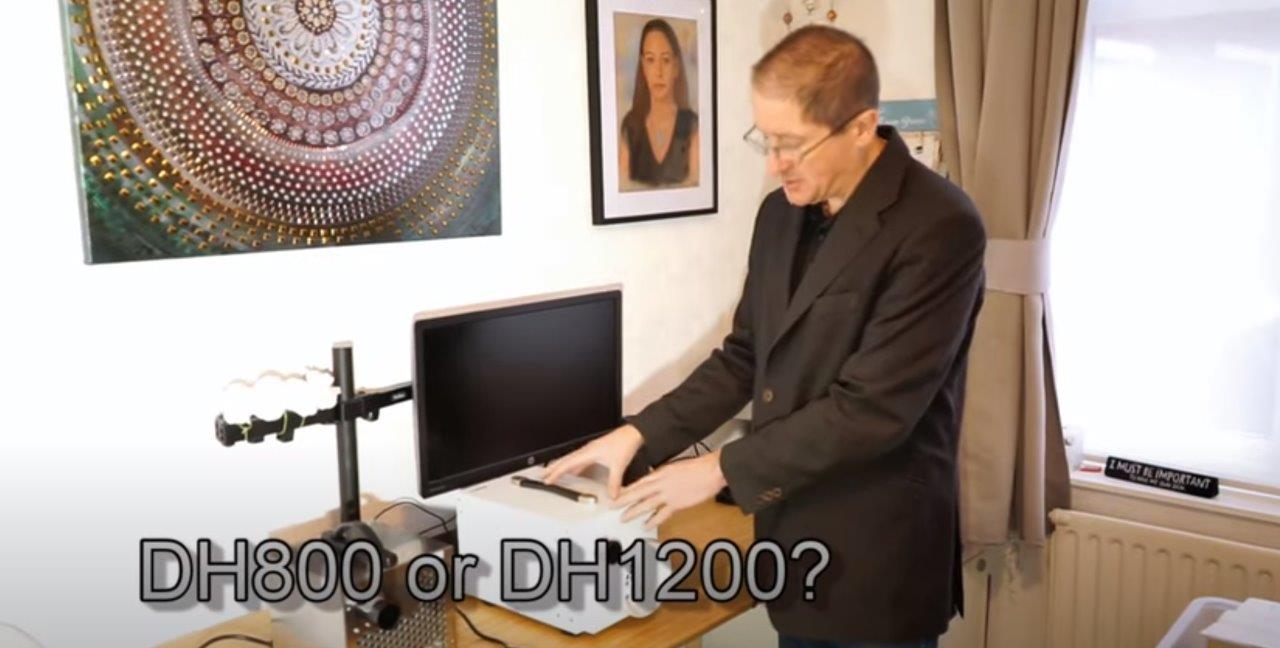
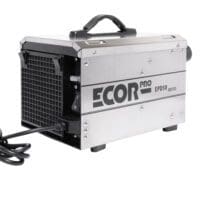
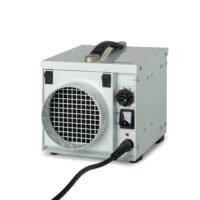
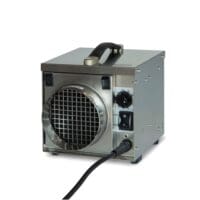
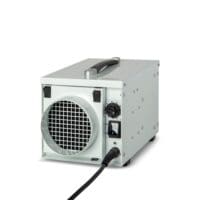
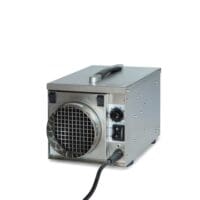
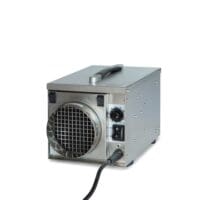
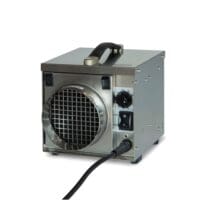
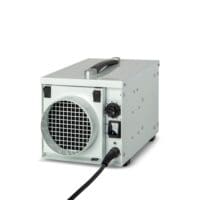
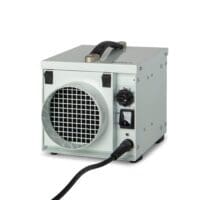
Note: the EPD30/DH800 is intended for room drying where the unit sits in the room.
Remove the unit’s inlet filter and use a ceiling inlet grille with a filter holder instead
(reticulated foam ~10mm thick, 10ppi). This avoids needing loft access for routine cleaning
— typically every ~3 months.
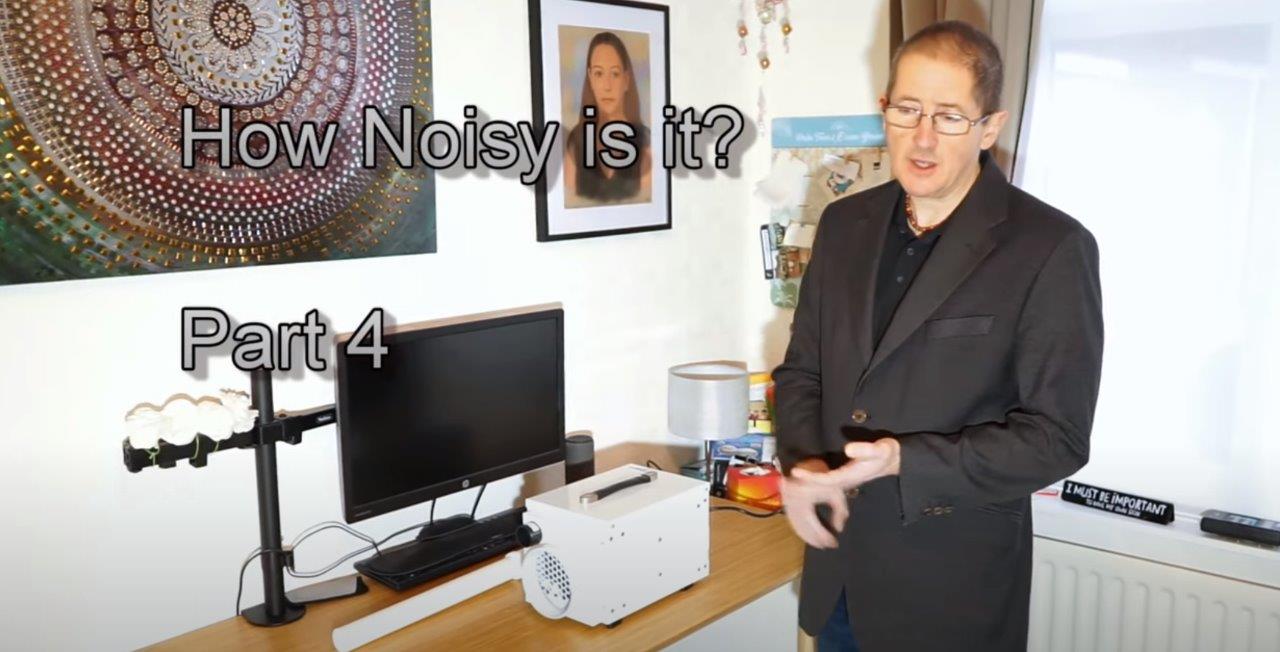
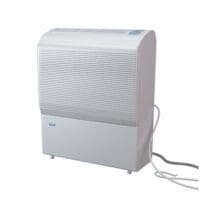
Standard compressor units can produce a low, deep tone (like a fridge) that travels through the home, especially at night.
Desiccant units are primarily fan-noise, and ducting can reduce perceived noise dramatically — while keeping the unit hidden.
In a whole-house desiccant setup you may not collect liquid water. The best practice is to run continuously for ~2 weeks
to dry out the building fabric. After that, maintain comfort around 60–65% RH.
Occupancy, total surface area, rainfall/location, bathing/cooking habits and indoor clothes drying all change the moisture load.
Larger homes may require EPD150/DH2500 or even DH3500/EPD200. Use the rule-of-thumb below as a starting point.
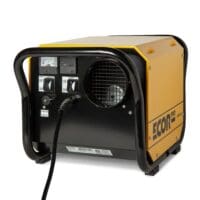
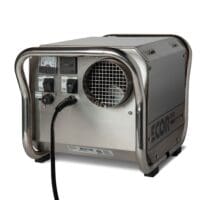
DH800 / DH800+ (EPD30)
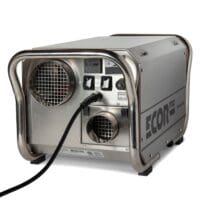
DH1200 / DH1200+ (EPD50)
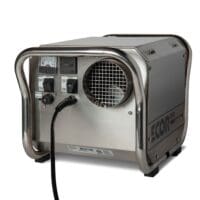
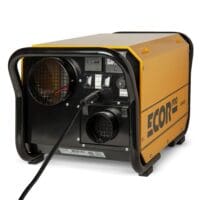
DH2500
(EPD150)
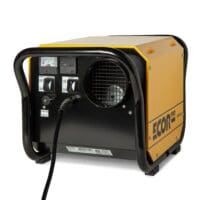
DH3500
(EPD200)
Keep the inlet duct as short as possible for best performance.
In this installation, the exhaust hose was later removed to vent into the attic where airflow was sufficient to manage moisture.
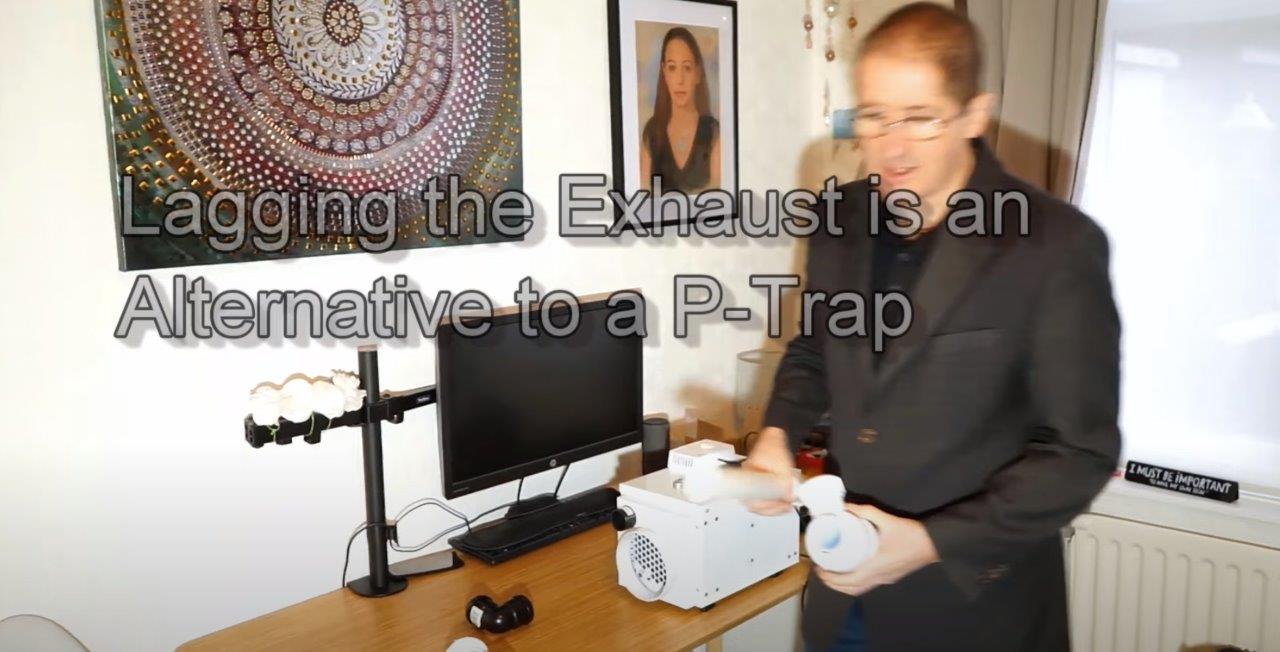
Air ducted through a loft/attic cools down. Warm, moist air can then condense inside the ducting.
Insulate duct runs in unheated spaces to reduce cooling and prevent condensate build-up.
A more traditional UK approach is PIV. It can reduce moisture but may cool the property and increase heat loss.
Read more
 USA / CA Products

 UK/EU/AUS Products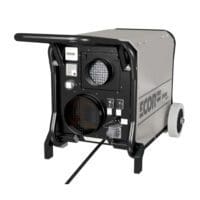
 Product Accessories
 Drying Mats

 Install Guides
 Compare Us